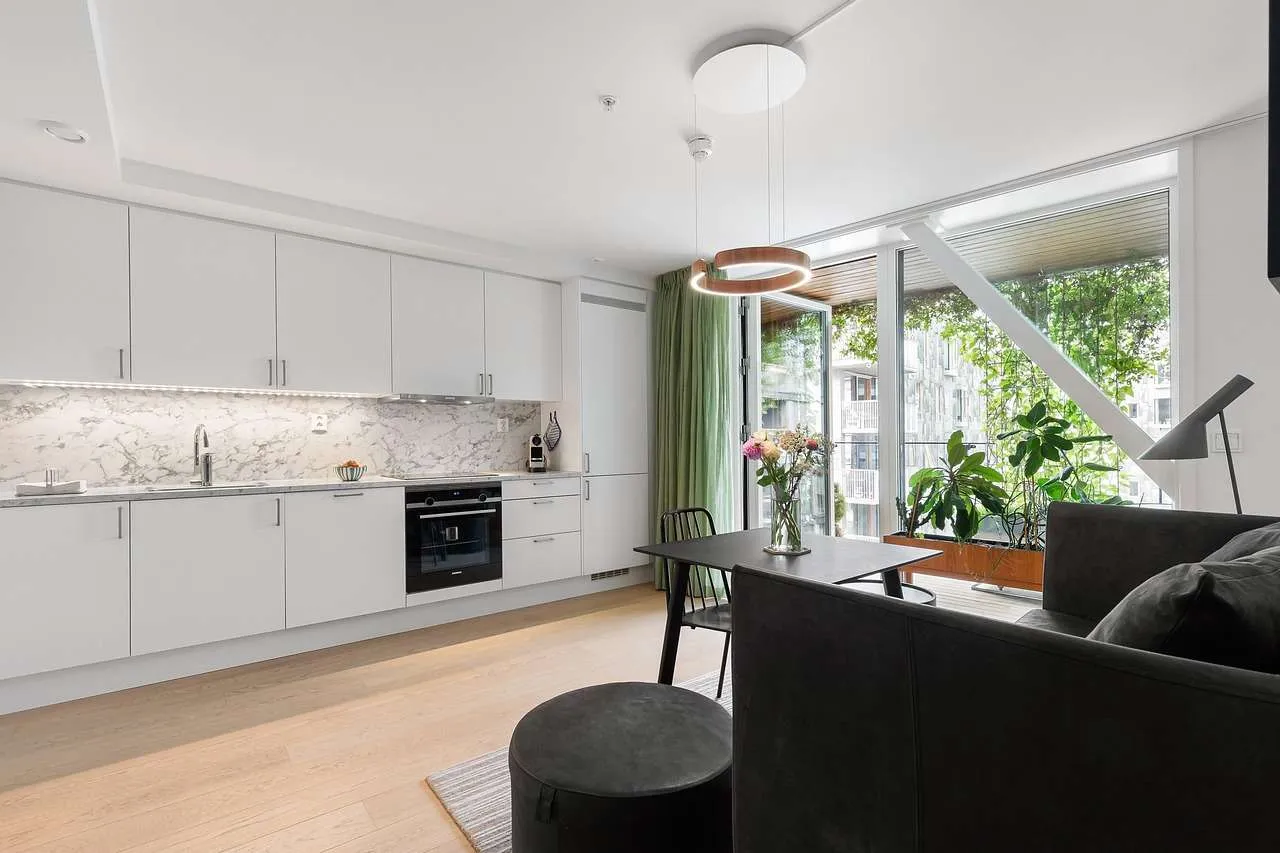
Home window tinting is the process of applying a thin film to interior or exterior glass to reduce heat, glare, and UV exposure. For homeowners, it's a practical upgrade that improves comfort, energy efficiency, and privacy without replacing windows.
Why homeowners consider tinting
Tinting can significantly cut cooling costs in hot climates by limiting solar heat gain. It also protects furnishings from fading by blocking UV rays (most films block 99% or more). Glare control makes living spaces more comfortable during sunlit hours. Privacy is improved, especially on ground-floor rooms or street-facing windows. Some films also add a layer of safety by holding shattered glass in place during breaks.
Key specs to evaluate
When choosing a film, focus on:
- Visible Light Transmission (VLT): the percentage of visible light that passes through. Higher VLT means more daylight but less privacy.
- Solar Heat Gain Coefficient (SHGC): the portion of solar energy admitted. Lower SHGC reduces heat gain.
- UV Rejection: most high-quality films block 99%+ UV rays, protecting furnishings and skin.
- Reflectivity and color: influences exterior appearance and glare reduction.
- Durability and warranty: look for warranty terms and the film’s warranty against bubbling, peeling, or fading.
Choosing the right tint type
Common residential options include dyed, metallized, ceramic, carbon, and safety films. Dyed films are affordable and good for privacy but may fade sooner. Metallized films reject heat well and add strength but can interfere with electronics. Ceramic films offer strong heat rejection, excellent clarity, and minimal interference, though at a higher price. Carbon films provide a balance of tone and performance. Safety or laminated films add an extra layer of protection against breakage.
Professional vs DIY installation
Installing home window tinting requires careful cleaning, surface prep, and precise application to avoid bubbles and edges lifting. DIY kits exist, but mistakes can reduce effectiveness and void warranties. For large or multi-pane windows, or if you want stronger warranties, hire a licensed installer. Ask for references, check insurance, and ensure the work complies with local codes and home associations if applicable.
Cost and return on investment
Costs vary by film type and window size. Typical residential tinting runs from about $3 to $10 per square foot installed. In hot climates, the energy savings from reduced cooling can meaningfully offset the cost over time. The return on investment improves with the home’s location, energy prices, and how long you plan to stay. A reputable installer will provide a written estimate and warranty terms.
Maintenance and safety
Clean films with non-ammonia glass cleaners and soft cloths to avoid damage. Avoid abrasive tools. Some films require professional maintenance if peeling or bubbling occurs. Safety films can reduce the risk of injury by holding broken glass together in an impact or accident.
Comparison of common home window tint types
| Type | Typical VLT % | SHGC | UV Rejection | Privacy | Durability | Typical Cost |
|---|---|---|---|---|---|---|
| Dyed Film | 25–75% | 0.4–0.7 | Up to 99% | Low–Moderate | Moderate | $2–$6/ft² |
| Metallized Film | 15–60% | 0.3–0.6 | Up to 99% | High | High | $3–$7/ft² |
| Ceramic Film | 35–65% | 0.15–0.5 | Up to 99% | Moderate–High | Very High | $6–$12/ft² |
| Carbon Film | 30–70% | 0.25–0.6 | Up to 99% | High | High | $5–$10/ft² |
| Safety/Laminated Film | 5–60% | 0.3–0.6 | Up to 99% | High | Very High | $4–$8/ft² |
Getting started: steps to take
1) Assess needs (energy, privacy, glare). 2) Measure windows accurately. 3) Request quotes from licensed installers with warranty and references. 4) Check for manufacturer certifications and local codes. 5) Plan for maintenance and future replacement if needed.
Summary: Home window tinting offers comfort, energy savings, UV protection, and privacy. By selecting the right film type, evaluating SHGC and VLT, and hiring a licensed installer, homeowners can maximize ROI while maintaining safety and aesthetics.